
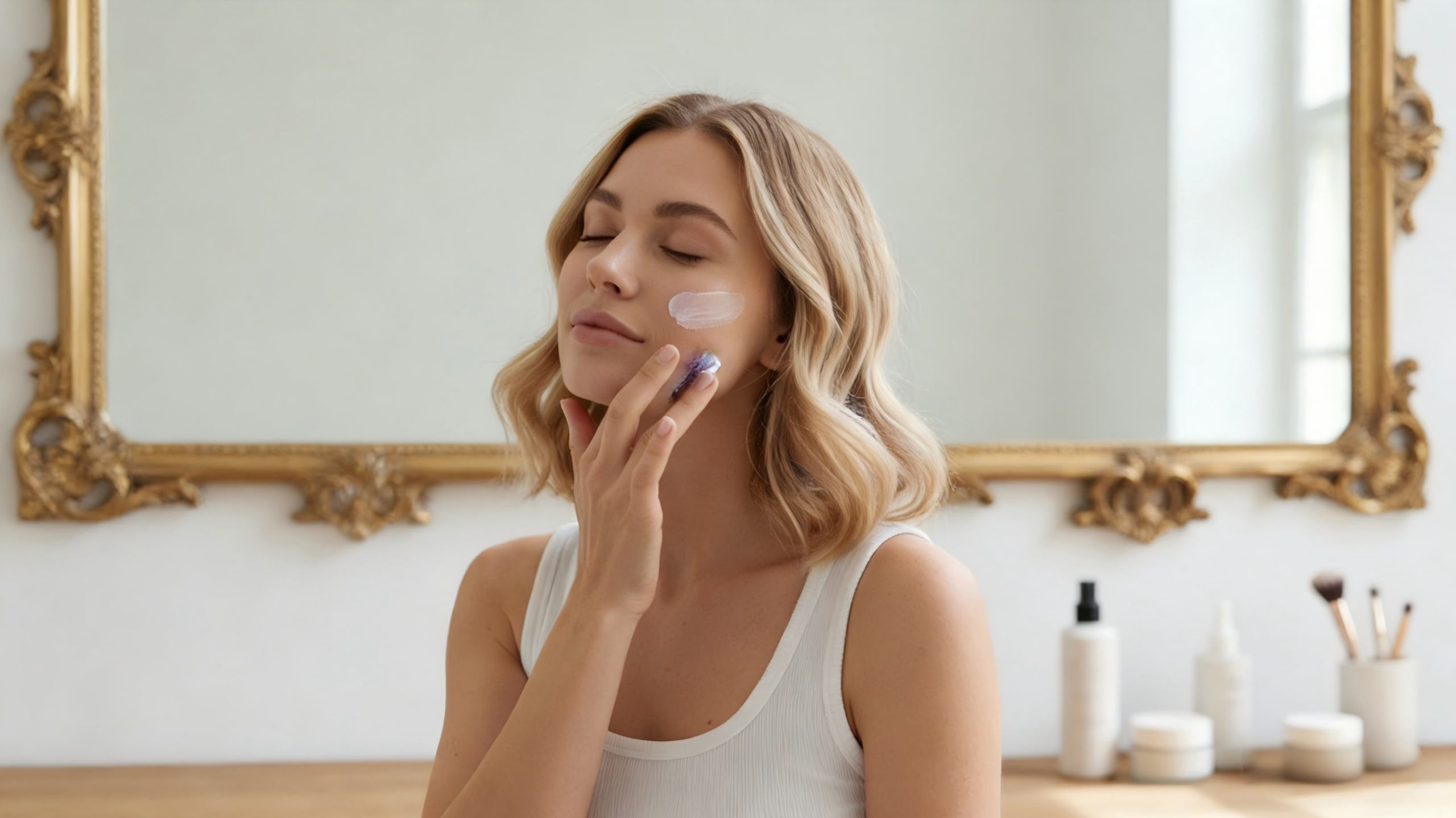
The Elixir of Youth and Radiance: A Deep Dive into Moisturizers and Lotions for Women
In the intricate tapestry of skincare, few products hold as central and universally lauded a position as the humble moisturizer. Far from being a mere add-on, a well-chosen moisturizer or lotion is a fundamental cornerstone of healthy, resilient, and radiant skin. For women navigating diverse environments, hormonal shifts, and the natural progression of time, understanding the power of these hydrating heroes is not just beneficial—it’s transformative. This comprehensive guide will explore everything you need to know about moisturizers and lotions, from their vital functions to selecting the perfect one for your skin’s unique story.
The Indispensable Role of Moisturizers: More Than Just Hydration
At its core, a moisturizer performs two critical functions: it hydrates the skin by attracting and holding water, and it creates a protective barrier to prevent that water from escaping. This dual action is essential for maintaining the skin’s integrity, function, and appearance.
Barrier Support and Repair: Our skin has a natural protective layer called the skin barrier (stratum corneum). This barrier acts like a brick wall, with skin cells as the bricks and lipids (fats like ceramides, fatty acids, and cholesterol) as the mortar. A healthy barrier prevents irritants, allergens, and bacteria from entering, while simultaneously minimizing transeansepidermal water loss (TEWL). When this barrier is compromised, skin becomes dry, sensitive, inflamed, and vulnerable. Moisturizers reinforce and repair this crucial barrier, ensuring it performs its protective duties effectively.
Hydration and Plumpness: Dehydrated skin appears dull, lacks elasticity, and can emphasize fine lines and wrinkles. Moisturizers infuse the skin with water, making it feel softer, smoother, and appear plumper. This plumping effect visibly reduces the appearance of fine lines, giving the skin a more youthful and vibrant look.
Soothing and Comfort: Dry, irritated, or sensitive skin often feels tight, itchy, and uncomfortable. Many moisturizers contain soothing ingredients that calm inflammation, reduce redness, and provide immediate relief, restoring a sense of comfort to the skin.
Optimizing Product Efficacy: Applying a moisturizer as the final step in your routine locks in all the beneficial serums and treatments you’ve applied beforehand. By sealing in these active ingredients, moisturizers help them work more effectively and prevent them from evaporating too quickly.
Primer for Makeup: A well-moisturized skin provides an ideal, smooth surface for makeup application. It helps foundation glide on evenly, prevents it from clinging to dry patches, and ensures a more natural, seamless finish.
Unpacking the Terminology: Moisturizer vs. Lotion
While often used interchangeably, “moisturizer” is an umbrella term encompassing various hydrating products, with “lotion” being a specific type.
Lotion: Generally the lightest in texture, lotions have a high water content and a low oil content. They are typically fluid, spread easily, and absorb quickly without leaving a heavy residue. Lotions are often ideal for oily, combination, or acne-prone skin types, or for use in humid climates where heavy creams might feel excessive. They provide light to moderate hydration.
Cream: Thicker and richer than lotions, creams contain a higher oil-to-water ratio. They provide more intense hydration and form a more occlusive barrier on the skin. Creams are excellent for normal to dry skin types, mature skin, or for use in colder, drier climates. They are often preferred for evening routines when the skin undergoes repair.
Ointment/Balm: The heaviest and most occlusive formulations, ointments and balms have a very high oil content and minimal to no water. They create a strong protective barrier, making them ideal for extremely dry, cracked, or compromised skin. They are typically used for targeted areas or as an overnight treatment.
Key Ingredients to Look for in Your Moisturizer
Understanding the different categories of hydrating ingredients can help you choose the best product for your skin’s needs.
Humectants: These ingredients attract and draw moisture from the air and deeper layers of the skin into the epidermis. They are like magnets for water.
Examples: Hyaluronic Acid, Glycerin, Urea, Sodium PCA, Sorbitol.
Benefits: Plump the skin, provide immediate hydration, improve elasticity.
Emollients: These ingredients smooth and soften the skin by filling in the gaps between skin cells, making the surface feel smoother and more pliable. They also help improve the skin barrier.
Examples: Ceramides, Fatty Acids (e.g., Linoleic Acid, Oleic Acid), Cholesterol, Shea Butter, Cocoa Butter, Squalane, various plant oils (e.g., Jojoba Oil, Sunflower Oil).
Benefits: Improve skin texture, reduce roughness, enhance barrier function.
Occlusives: These ingredients form a physical barrier on the skin’s surface to prevent moisture loss. They are the “seal” that keeps hydration locked in.
Examples: Petrolatum, Mineral Oil, Lanolin, Dimethicone, Beeswax, Silicones.
Benefits: Excellent for very dry or compromised skin, prevent TEWL, protect against environmental stressors.
Many effective moisturizers combine ingredients from all three categories to provide comprehensive hydration and barrier support.
Tailoring Your Moisturizer Choice to Your Skin Type
Selecting the right moisturizer is paramount. What works wonders for one skin type might cause issues for another.
Oily Skin:
Look for: Lightweight lotions or gel-creams. Ingredients like hyaluronic acid for hydration without heaviness, niacinamide to help regulate oil production, and non-comedogenic formulas (won’t clog pores).
Avoid: Heavy, occlusive creams that can feel greasy or exacerbate breakouts.
Myth Busting: Oily skin still needs moisture! Dehydrated oily skin can paradoxically produce more oil to compensate, leading to a vicious cycle.
Dry Skin:
Look for: Rich creams or balms with a higher concentration of emollients and occlusives. Ingredients like ceramides, shea butter, squalane, and fatty acids are excellent for restoring the barrier.
Avoid: Products with high alcohol content or very light, water-based lotions that won’t provide enough lasting moisture.
Tip: Consider layering a facial oil over your cream for an extra boost, especially at night.
Combination Skin:
Look for: Medium-weight lotions or gel-creams that can balance different areas. Some prefer to use a lighter formula on the oily T-zone and a slightly richer one on drier cheeks (multi-masking approach).
Key: Focus on balance and non-comedogenic ingredients.
Sensitive Skin:
Look for: Fragrance-free, dye-free, and hypoallergenic formulas. Simpler ingredient lists are often better. Soothing ingredients like allantoin, bisabolol, and colloidal oatmeal can be beneficial.
Avoid: Common irritants like fragrance, essential oils, harsh alcohols, and strong acids unless specifically formulated for sensitive skin. Always patch test new products.
Mature/Aging Skin:
Look for: Richer creams packed with nourishing emollients, humectants (like hyaluronic acid), and barrier-supporting ingredients (like ceramides). Antioxidants (e.g., Vitamin C, Vitamin E) and peptides can also be beneficial for anti-aging concerns.
Goal: Improve elasticity, reduce the appearance of fine lines, and support a compromised barrier.
When and How to Apply Your Moisturizer
The timing and technique of application can significantly impact your moisturizer’s effectiveness.
After Cleansing and Serums: Always apply your moisturizer after cleansing, toning, and applying any serums or treatments. This ensures that the active ingredients of your serums are absorbed first, and the moisturizer can then seal them in.
On Damp Skin (Ideally): Applying moisturizer to slightly damp skin (after cleansing/toning, before it completely dries) can help trap more water, enhancing hydration.
Gentle Application: Use clean fingertips and apply a small amount (a pea-sized to dime-sized amount is usually sufficient for the face and neck). Gently massage into the skin using upward and outward motions. Avoid dragging or pulling the skin.
Don’t Forget the Neck and Decolletage: These areas are often neglected but show signs of aging just as readily as the face. Extend your moisturizing routine down to your chest.
Morning and Evening: Most skin types benefit from moisturizing twice a day.
Morning: Follow with broad-spectrum SPF as your final step.
Evening: Consider a richer formula to support overnight repair processes.
Beyond the Face: Body Lotions
The skin on your body also requires consistent hydration, though it may differ in sensitivity and oil production compared to your face. Body lotions are typically formulated to be more spreadable and cover larger areas.
Key Ingredients: Look for similar hydrating and emollient ingredients found in facial moisturizers.
Application: Apply body lotion immediately after showering or bathing, while skin is still slightly damp, to lock in moisture. Pay extra attention to typically drier areas like elbows, knees, and shins.
Targeted Concerns: Some body lotions are formulated with exfoliating acids (AHAs or BHAs) for rough skin, or soothing ingredients for irritation.
The Ultimate Takeaway
Moisturizers and lotions are not just about superficial beauty; they are about maintaining the fundamental health and resilience of your skin. By understanding your skin type, recognizing key ingredients, and committing to a consistent routine, you unlock the full potential of these essential products. They are the silent heroes that protect your skin barrier, quench its thirst, soothe its sensitivities, and ultimately, unveil a complexion that radiates health, comfort, and enduring beauty. Invest wisely in your moisturizer—it’s an investment in your skin’s future.